
This is not AI. This is Kamchatka
A viral AI-generated snowstorm video from Kamchatka shows how synthetic media shifts the burden of proof onto people sharing what is real.
When the snow stopped in Petropavlovsk-Kamchatsky in mid-January, Maxim Artemyev spent three days digging out his cars. In parts of the city the drifts had reached the third floor. Shops were limiting bread to five loaves a customer.1 Two people had been killed by snow sliding off roofs, and the city was under a state of emergency.2
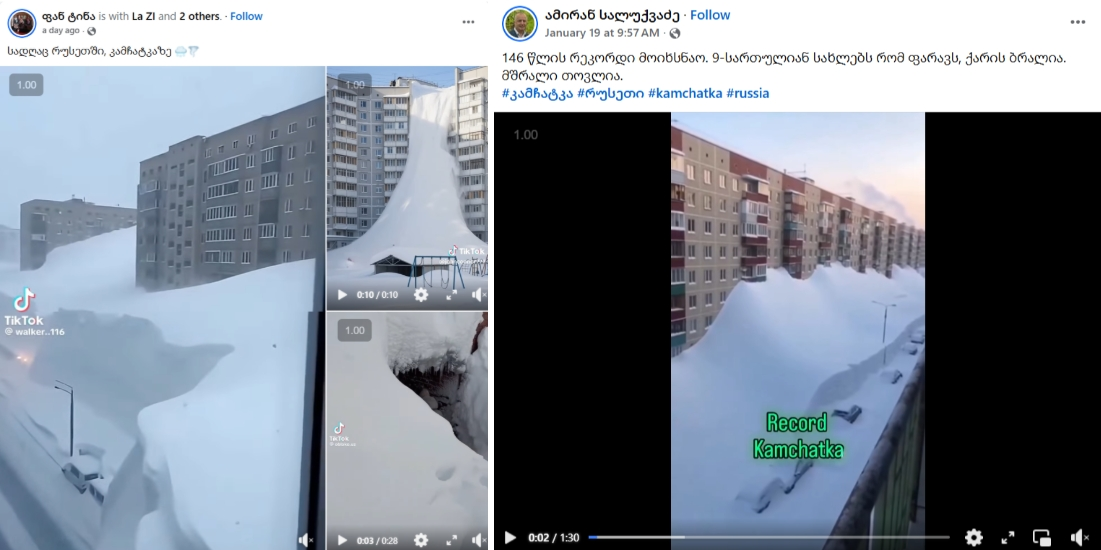
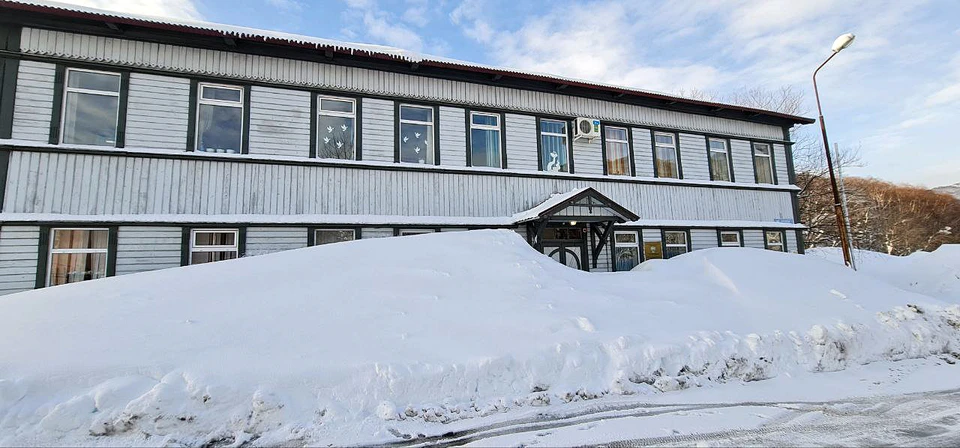
On 16 January, an Instagram account called ai_nuzhdiq posted a video of children sledding down a snowdrift nine storeys high. It went on to pass 17 million views.3 Under real videos from the peninsula, people started writing a new line: “This is not AI. This is Kamchatka.”4 The joke points at the problem. Generative video has moved the burden of proof onto the people telling the truth.
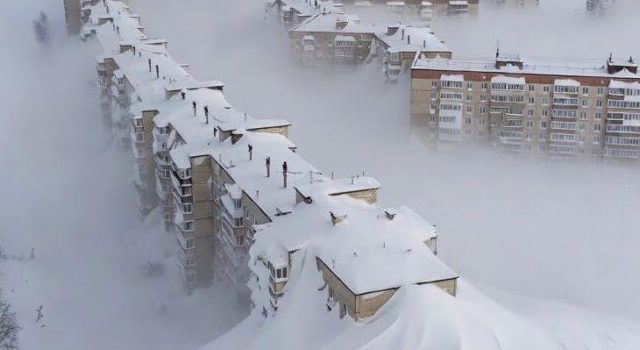
The corrections came days late
The fakes had a head start of several days. Vera Polyakova, who heads Kamchatka’s weather service, said the viral images were “jokes” that did not match reality.5 Fact-checkers in Georgia and Germany traced the clips back to their creators, but only after they had spread.6 By then news outlets had picked them up. Jordan’s Roya News English and Spain’s ABC posted real and generated footage side by side without saying which was which.7 Several South Korean outlets ran the images with the assurance that “this is not AI,” and many of those articles were still online, uncorrected, after the hoax was exposed.8
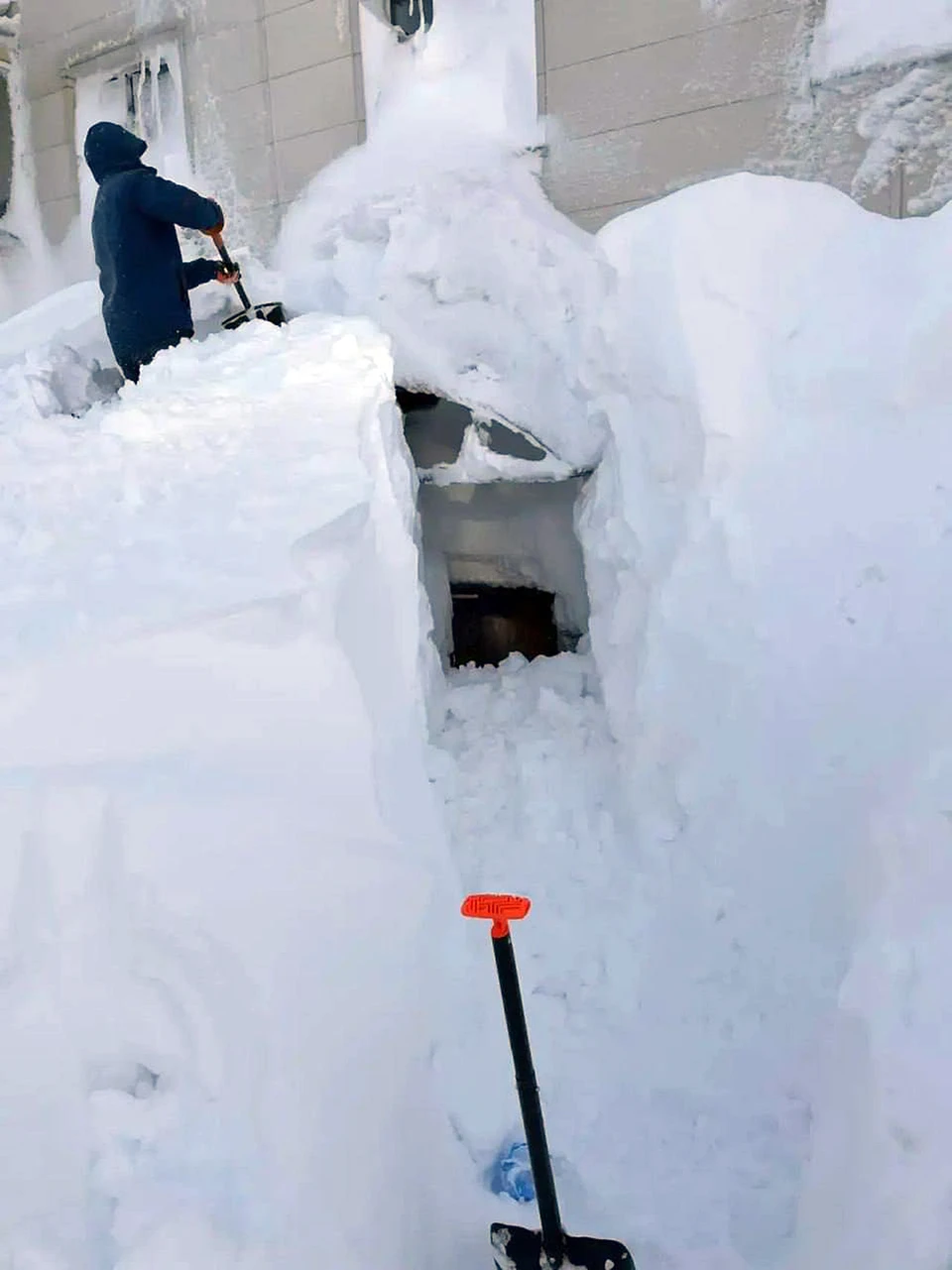
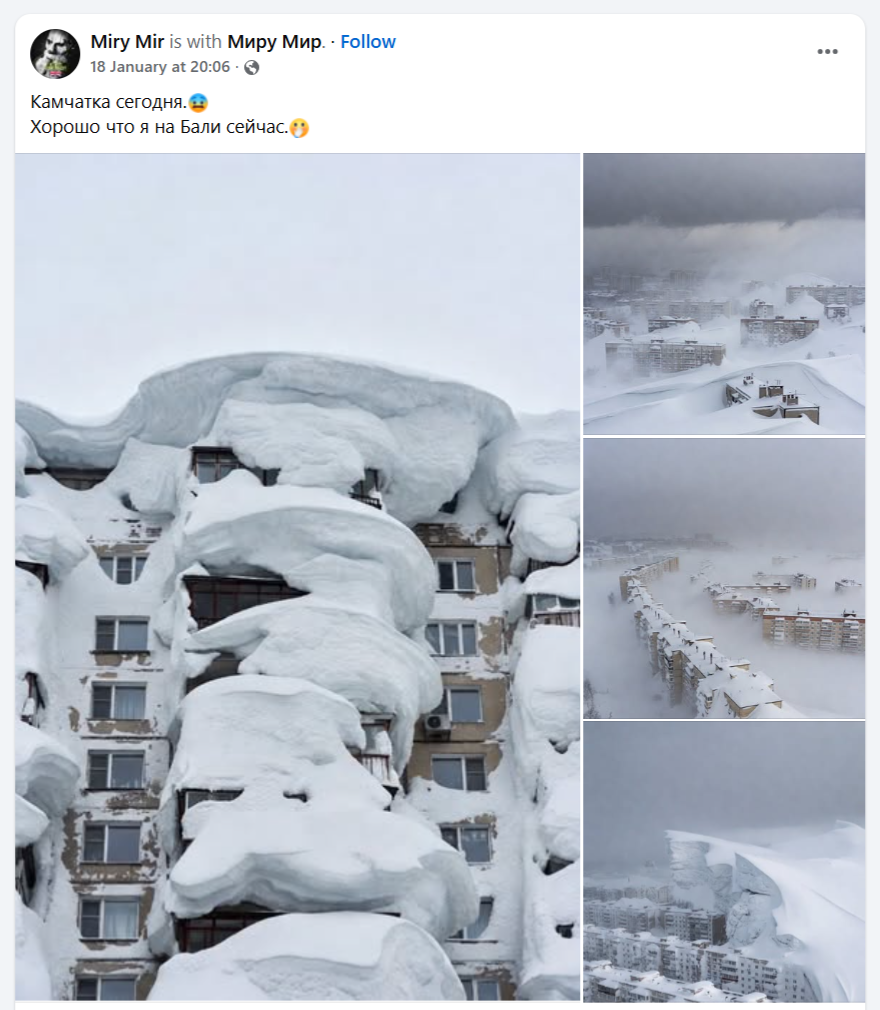
Labels added after the fact did not survive
The creators that fact-checkers traced had disclosed their work, which shows how little a disclosure does. Cupcake Videos, one of the main sources, marked its clips as AI, and some carried the Sora logo.9 The ai_nuzhdiq caption named Sora 2.10 Reposts dropped that context. The MES Times, an Instagram account with 232,000 followers, shared a compilation and at first argued with users who pointed out it was generated.11 Some sharers did not care. Alina Lipp, a blogger who posted the sledding video, wrote on X that it made no difference to her if some of the videos she shared were AI-generated.12 A caption only reaches people who see the original post, and it only matters to people who want to know.
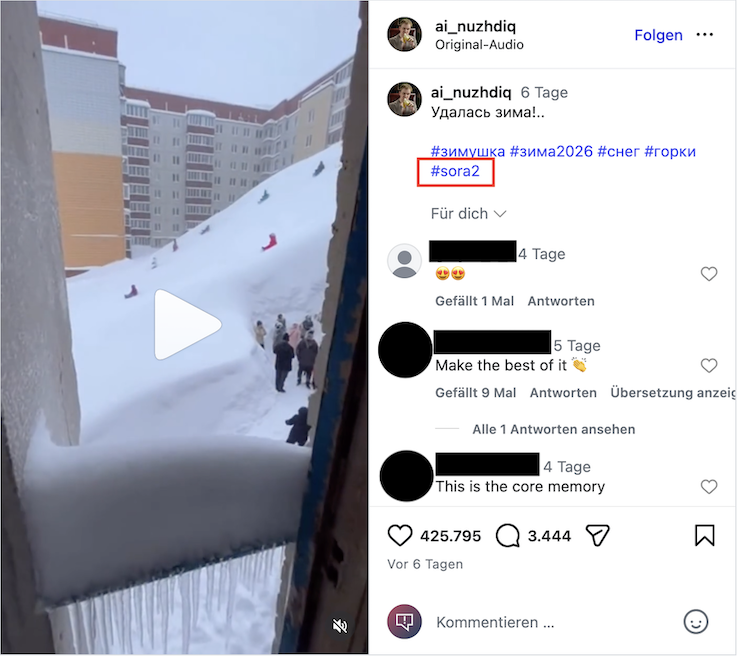
Proof has to start at the camera
Kamchatka’s residents had the real footage. What they did not have was a way to show it was real that would hold up once the video left their phones. Spotting fakes by their flaws, such as wobbling walls or sleds that defy physics, gets harder with every new model. A signed record made at the moment of capture, stating which device recorded the footage and when, travels with the file and can be checked by anyone who receives it.
That is what we are building at RealityFoundation, on the open C2PA standard. The next time a city is buried in snow, the people digging out should not also have to prove their videos are real.
Sources
- Dina Karpitskaya, “Сугробы выросли до 3-го этажа, крыши машин служат тротуарами, дети строят снежные дома: что происходит на Камчатке из-за стихии” (Snowdrifts reach the third floor, car roofs serve as sidewalks, children build snow houses: what is happening in Kamchatka), Komsomolskaya Pravda, January 23, 2026. ↩
- “Towering Snowdrifts Bury City on Remote Russian Peninsula”, Boston Globe, January 23, 2026; originally published in The New York Times. ↩
- Paulina Thom, “Schnee in Kamtschatka: Virales Schlitten-Video ist mutmaßlich KI-generiert” (Snow in Kamchatka: viral sledding video is likely AI-generated), Correctiv, January 27, 2026. ↩
- Vasily Fedorov, “Фабрика цифрового снега: фейки о Камчатке заполонили соцсети и СМИ” (Factory of digital snow: fakes about Kamchatka flood social networks and the media), Regnum, January 24, 2026. ↩
- “Фейк: в сети появились кадры сугробов размером с многоэтажку на Камчатке” (Fake: footage of high-rise-sized snowdrifts in Kamchatka appears online), Lapsha Media, January 21, 2026. ↩
- Myth Detector, “Some Photos and Videos Depicting Heavy Snowfall in Kamchatka Are AI-Generated”, January 22, 2026; Thom, “Schnee in Kamtschatka.” ↩
- “Snowdrifts the Size of Nine-Story Buildings. AI Videos of Kamchatka Have Flooded Social Media”, Govorit NeMoskva, January 19, 2026. ↩
- Kim Do-yeon, “Media Duped by AI-Generated Images of Kamchatka Snowstorm”, Seoul Economic Daily, January 24, 2026. ↩
- Myth Detector, “Some Photos and Videos Depicting Heavy Snowfall in Kamchatka Are AI-Generated.” ↩
- Thom, “Schnee in Kamtschatka.” ↩
- Lapsha Media, “Фейк: в сети появились кадры сугробов размером с многоэтажку на Камчатке.” ↩
- Thom, “Schnee in Kamtschatka.” ↩